Intelligent Software Solutions
Since technology is advancing so quickly, companies that wish to remain competitive in 2026 will require more than just standard digital tools. Intelligent Software Solutions can help with that. These solutions are made to think, learn, and adapt, in contrast to regular software. They do more than simply process data; they interpret it and provide companies with more intelligent ways to run, interact with clients, and develop.
Consider whether you would rather rely on antiquated systems that only react to commands or sophisticated tools that are able to anticipate your customers’ needs before they are even aware of them. That is intelligent software’s true magic. It’s about enhancing human effort rather than replacing it, enabling companies to reach unprecedented levels of productivity, scalability, and profitability.
In 2026, every competitive business will rely on some form of intelligent software to cut costs, improve productivity, and gain deeper insights into customer behaviour. From artificial intelligence (AI) to machine learning (ML), natural language processing (NLP), and predictive analytics, intelligent software is no longer a futuristic idea—it’s a business necessity.
What Are Intelligent Software Solutions?
The term “intelligent software” basically describes programs that use artificial intelligence (AI), machine learning, and big data analytics to make decisions without constant human involvement. These systems offer real-time insights, self-learn from past results, and adjust to changing conditions.
An intelligent CRM system, for instance, does more than simply keep track of client information. In order to increase sales, it examines past purchasing trends, forecasts future purchasing patterns, and even suggests tailored offers. Similar to this, an intelligent supply chain management system can anticipate increases in demand, plan the best routes for deliveries, and stop shortages before they occur.
Simply put, intelligent software is software that gives businesses a competitive edge by improving itself over time rather than merely following instructions.
Why Businesses Need Intelligent Software in 2026
2026 will see a fiercely competitive, data-driven, and customer-focused global business environment. Businesses run the risk of falling behind if they don’t implement intelligent software solutions. Now let’s examine some of the reasons why businesses cannot afford to overlook these technologies:
- Data Overload: Companies have too much data. Intelligent software assists in separating valuable insights from noise.
- Customer Expectations: Customers want experiences that are seamless, quick, and personalised.
- Cost optimisation: By eliminating the need for tedious manual labour, automation lowers operating costs.
- Agility: Businesses can react to changes in the market more quickly thanks to intelligent software.
- Competitive Edge: Businesses using AI and predictive analytics are able to make better business decisions than those using more conventional methods.
By 2026, companies that fail to embrace intelligent software will not only lose market share but also struggle to survive in a landscape where agility and adaptability are non-negotiable.
The Role of AI in Business Transformation
Artificial Intelligence has moved from being a buzzword to becoming one of the most powerful forces shaping businesses today. Across industries, companies are discovering that AI isn’t just about futuristic robots or high-tech experiments—it’s about making everyday operations smarter, faster, and more efficient. When combined with Intelligent Software Solutions, AI becomes the backbone of transformation, giving organisations the tools to adapt quickly in a competitive market.
Intelligent Software Solutions Powered by AI
AI’s capacity to learn and advance over time is what gives it such a profound impact. Conventional software merely executes commands; it doesn’t do anything else. However, Intelligent Software Solutions acts in a different way. They absorb vast volumes of data, look for trends, and then provide recommendations or solutions that genuinely boost company performance.
Consider the retail industry. An AI-driven system can make precise predictions by analysing historical sales, customer preferences, and even social media trends, rather than a manager speculating about what products might sell well the following season. The outcome? Stores increase profits, cut waste, and stock the right products. That is AI’s usefulness in action.
Changing the Way Businesses Operate
Three main areas where AI is changing businesses:
Daily Efficiency: A lot of monotonous jobs that used to take hours can now be completed automatically. AI saves time and minimises errors in everything from inventory management to invoice generation.
Making Confident Decisions – Company executives are no longer limited to following their instincts. AI-powered intelligent software solutions give managers access to real-time data insights, enabling them to make evidence-based decisions.
Improved Experiences for Customers – Consumers now demand personalised service in addition to good service. AI enables companies to comprehend customer preferences and customise interactions, whether through intelligent chatbots that provide real-time support or customised marketing campaigns.
Top 10 Intelligent Software Solutions for Businesses in 2026
Now that we understand the importance of intelligent software, let’s explore the top 10 Intelligent Software Solutions revolutionising businesses in 2026.
1. AI-Powered Customer Relationship Management (CRM) Systems
CRMs have been the standard tool for a long time, since customer connections are the lifeblood of any organisation.But by 2026, CRMs are more intelligent than ever. These AI-powered technologies actively anticipate and improve client engagement rather than merely recording customer data.

Enhancing Customer Engagement
Email, social media, phone conversations, and even in-store encounters are just a few of the channels that an AI-powered CRM can track client touchpoints across. Businesses may create individualised communications that connect with clients by analysing this data. Consider a CRM that identifies a high-value lead before your rival does, or that recommends the ideal time to contact a client. That is the application of intelligence.
Predictive Analytics in CRM
By predicting future customer behaviors, predictive analytics goes beyond CRMs. For example, if a customer has repeatedly shown interest in eco-friendly products, the system can recommend sustainable product lines before the customer even searches for them. This not only boosts sales but also builds loyalty by making customers feel understood.
By 2026, AI-powered CRMs will not just be tools—they’re business partners, ensuring companies stay one step ahead in customer engagement.
2. Intelligent Enterprise Resource Planning (ERP) Systems
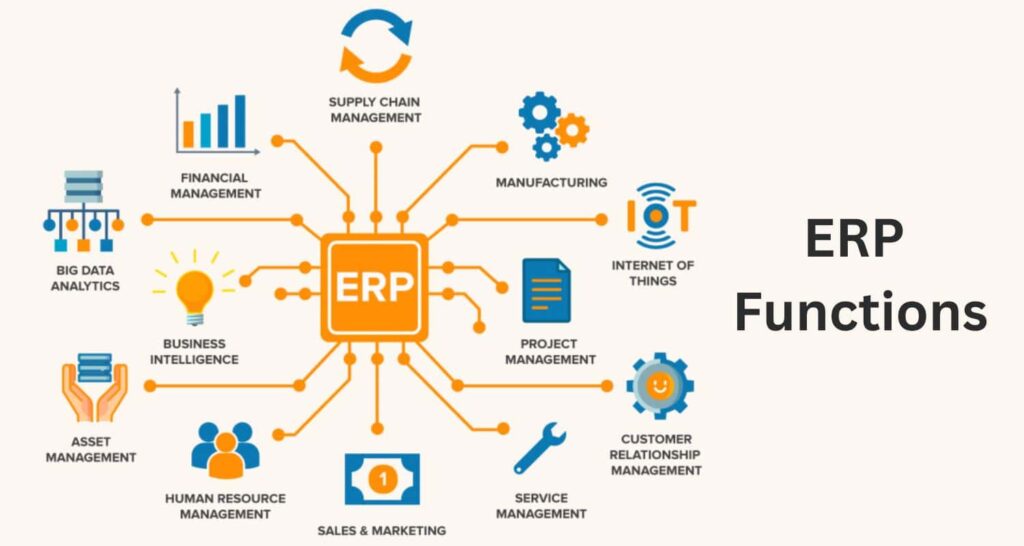
ERP systems, which manage everything from supply chain management to finance, are the foundation of corporate operations. Intelligent ERP technologies are revolutionising business operations in 2026.
Automation of Operations
Significant manual input was needed for traditional ERP systems. On the other hand, intelligent ERPs automate tasks like order tracking, payroll, and invoicing using AI and machine learning. Employees can now focus on higher-value work as human error has been eliminated.
Real-Time Data Insights
Real-time departmental analytics are another feature of intelligent ERP systems. Within a single system, a supply chain management can check stock levels, and a CFO can rapidly obtain financial statistics. Businesses become more competitive and nimble as a result of these insights, which facilitate quicker and more intelligent decision-making.
Businesses in 2026 will have unmatched operational efficiency and flexibility because of intelligent ERP.
3. Smart Human Resource Management Software
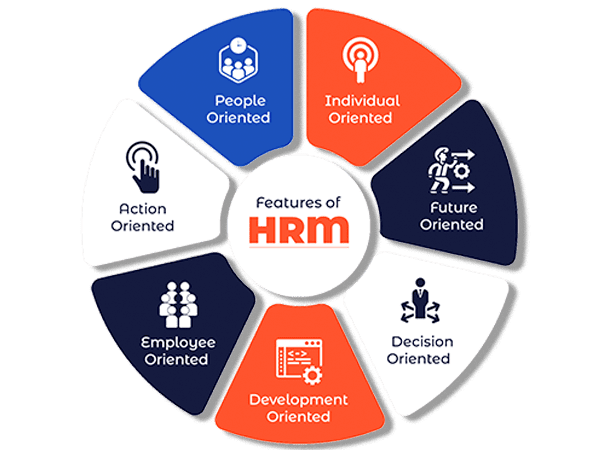
The challenge of managing human resources is not simple. HR departments frequently balance a number of duties, from hiring to employee engagement. Intelligent HR software is revolutionising the industry in 2026.
AI Recruitment Tools
Finding the right talent is one of the most significant business challenges. AI is used by intelligent HR software to analyse resumes, match applicants with job descriptions, and even run chatbot-based initial interviews. This guarantees the best fit and expedites the hiring process.
Employee Performance Tracking
In addition to hiring, smart HR solutions use data to track worker performance. They are able to estimate staff attrition, provide training, and spot skill gaps. Businesses may increase worker satisfaction and retain top talent by tackling problems early.
Intelligent HR systems are now strategic tools that help companies create more resilient and driven workforces. They are no longer merely administrative tools.
4. Advanced Cybersecurity Software
Cyber dangers change in tandem with organizations’ increasing digitalization. Intelligent cybersecurity solutions will be crucial in 2026 to protect private information and maintain consumer confidence.

AI-Driven Threat Detection
Intelligent cybersecurity solutions employ artificial intelligence (AI) to identify anomalous patterns in real time, in contrast to conventional antivirus software. They can prevent expensive breaches by identifying potential attacks before they escalate.
Proactive Data Protection
These are not just defence-related answers. By keeping an eye on vulnerabilities and automatically patching them, they proactively secure systems. AI makes sure that security is constantly one step ahead, so businesses don’t have to wait for IT people to respond.
Investing in cutting-edge cybersecurity is required of businesses in 2026.
5. Intelligent Supply Chain Management Software
The foundation of product-based firms is their supply chains. The production, storage, and delivery of commodities will be completely transformed by intelligent supply chain software by 2026.
Demand Forecasting
Demand is incredibly accurately predicted by AI-driven forecasting technologies. For example, retailers can prevent shortages and lost sales opportunities by stocking up before the busiest shopping seasons.
Real-Time Inventory Tracking
Additionally, intelligent software guarantees real-time stock level visibility, which lowers waste and overstocking. In order to prevent delays and guarantee on-time delivery, it can even autonomously redirect shipments.
Intelligent supply chain management is a game-changer for companies in a world where competitiveness is determined by efficiency.
6. AI-Powered Marketing Automation Tools
Nowadays, marketing focuses on getting the right message to the right person at the right moment rather than trying to reach as many people as possible. In 2026, personalisation reaches a whole new level thanks to AI-driven marketing automation.
Artificial intelligence (AI) systems can monitor consumer interactions on websites, emails, and social media and then suggest tailored advertising. Additionally, they determine which platforms work best for each group, guaranteeing that marketing expenditures are maximised. For example, software will automatically distribute resources if it determines that Millennials prefer email marketing and Gen Z responds better to TikTok commercials.
The actual kicker? These tools are always learning. Their ability to estimate which messages will convert improves with the number of campaigns they execute. Every marketing team wants to minimise guesswork and optimise return on investment.
7. Intelligent Collaboration and Productivity Software
With the increasing prevalence of remote and hybrid work patterns, companies require technologies that facilitate smooth collaboration. Here comes software for intelligent collaboration. These solutions, in contrast to conventional project management software, use AI to assign jobs according to employee skills, optimise workflows, and even identify possible bottlenecks before they occur.
Imagine this: Across five time zones, you are in charge of a multinational staff. The platform follows project progress with predictive insights, interprets discussions in real time, and automatically recommends the ideal meeting times in place of manually organising calendars. Businesses guarantee that teams stay engaged, productive, and in line with corporate objectives by removing communication silos.
8. Smart Data Analytics Platforms
Often referred to as the “new oil,” data is nothing more than noise if the proper instruments aren’t used. By 2026, companies will be able to derive valuable insights from large datasets with the use of sophisticated data analytics tools.
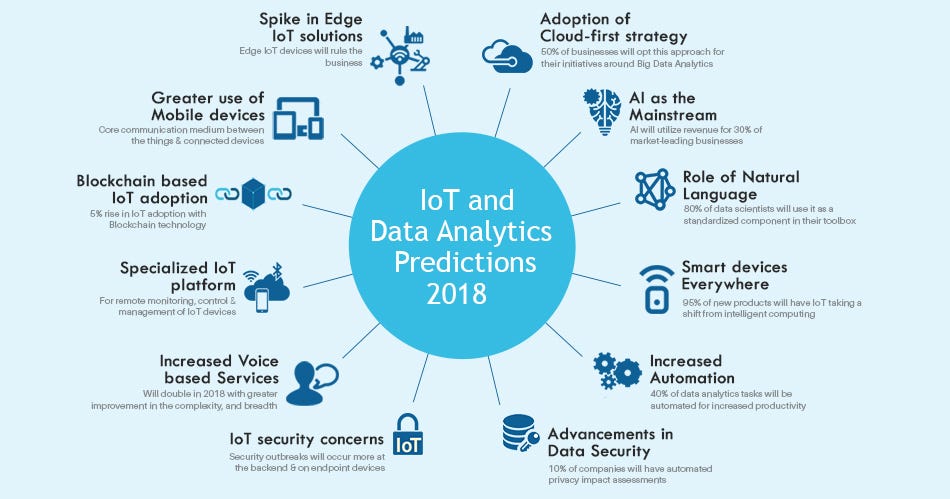
These platforms find patterns, trends, and anomalies in addition to producing charts. For instance, a retail business can use analytics to find that, in some areas, sales decline every Thursday. Revenue is then increased by the software’s recommendations for that day’s targeted marketing.
More significantly, statistics powered by AI are predictive. They let companies know what’s likely to happen next, such as a change in the market, supply constraints, or consumer attrition. This enables leaders to take action before issues even occur.
9. AI-Powered Financial Management Systems
Managing finances is complex, but in 2026, intelligent financial software is reshaping how companies handle money. From accounting to budgeting, AI-powered tools automate repetitive tasks and ensure accuracy.
One major advantage is fraud detection. Intelligent financial systems analyze spending behavior and instantly flag suspicious activities. This real-time monitoring reduces risks and protects company assets.
Additionally, these platforms provide predictive cash flow analysis. Imagine knowing months in advance when your business might face liquidity issues—giving you ample time to adjust. For CFOs and finance teams, intelligent software is like having a crystal ball for financial planning.
10. Intelligent Customer Support Chatbots
Last but not least, chatbots driven by AI are revolutionising customer service. These are not the annoying, generic-answering bots of the past. By 2026, chatbots will be able to comprehend natural language, draw lessons from previous exchanges, and respond with precise, human-like responses.
Intelligent chatbots take care of everything, including problem-solving, refund processing, and product upselling. Because they are open around the clock, clients never have to wait in line. Additionally, the chatbot effortlessly passes a case to a human agent when a query is too complicated, including all pertinent information, saving the user from having to repeat themselves.
For companies, this translates into more satisfied clients, lower support expenses, and more productivity. Intelligent customer service is the new norm, not simply a fad.
Choosing the Right Intelligent Software Solutions
With so many intelligent tools available, the challenge isn’t whether to adopt them—it’s choosing the right ones.
Factors to Consider Before Investing
- Business Goals: Align software with your core objectives—whether that’s customer retention, cost reduction, or global expansion.
- Ease of Integration: Look for platforms that integrate smoothly with your existing systems.
- User-Friendly Interface: Complex tools won’t add value if employees struggle to use them.
- Vendor Support: Ensure providers offer ongoing training and reliable customer support.
- Security Features: With increasing cyber threats, prioritize solutions with strong data protection.
Customisation and Scalability
Generally applicable software is rarely effective. By 2026, intelligent solutions will be highly customizable and able to adjust to the specific demands of the sector. For example, an e-commerce company needs logistics-optimised solutions, whereas a hospital organisation might need HIPAA-compliant technology.
Scalability holds equal significance. Software should grow with enterprises. Without compromising performance, intelligent platforms grow with ease to handle more datasets, more users, and intricate workflows.
The Future of Intelligent Software Beyond 2026
If we have learned anything over the last ten years, it is that technology is always evolving. Intelligent software solutions will already be widely accepted as essential for businesses by 2026, but what will happen next? Businesses with an eye on the future are already getting ready for technologies that will further change industries.
Emerging Trends in Business AI
- Hyper-Personalisation: By examining everything from browsing patterns to biometric information, AI will produce incredibly customised consumer experiences. Finance, healthcare, and shopping will all feel more individualised than ever.
- Voice and Conversational AI: With their natural and human-like interactions, voice-enabled technologies will take over marketing, customer service, and even teamwork.
- AI-Powered Sustainability – Intelligent software will help companies track and reduce carbon footprints, optimise energy consumption, and adopt greener supply chains.
- Augmented Intelligence – Instead of replacing human decision-making, AI will enhance it. Businesses will use hybrid systems where humans and machines collaborate seamlessly.
- Quantum Computing Integration – With quantum breakthroughs, intelligent software will solve problems that today’s systems can’t touch—such as complex logistics or real-time financial simulations.
These trends show that the role of intelligent software will continue to evolve, making businesses not just efficient but also smarter, more ethical, and more sustainable.
The Evolution of Automation and Machine Learning
Machine learning and automation will become even more sophisticated after 2026. Current AI learns from data, but the future will bring self-learning AI that adapts without massive datasets. For example, an intelligent ERP could optimize supply chains based on just a few interactions, or an HR system could predict employee turnover with minimal historical data.
Automation, too, will expand beyond repetitive tasks. We’ll see cognitive automation—where systems make judgment calls similar to humans. Imagine software that not only approves an expense report but also questions if it aligns with company values and budget priorities.
Businesses that embrace this evolution will gain a significant competitive advantage, staying agile in a world where customer preferences and market conditions shift overnight.
Conclusion
By 2026, intelligent software solutions are the cornerstone of corporate success rather than merely an improvement. Intelligent cybersecurity solutions that stop assaults before they happen and AI-powered CRMs that anticipate client needs are just two examples of how these breakthroughs are changing how businesses function, compete, and expand.
Businesses that use, modify, and expand these smart tools will be the ones in the future. Whether you are operating a large organisation or a startup, using intelligent software will enable long-term sustainability, efficiency, and insight.
Simply put, companies that embrace these solutions will lead the market in innovation and consumer happiness, while those that don’t run the risk of falling behind.
FAQs
Q: Which sectors stand to gain the most from clever software?
Ans: Nearly every industry gains, but the most notable advancements are seen in the manufacturing, healthcare, retail, finance, and logistics sectors. In these industries, intelligent software improves consumer experiences, reduces expenses, and streamlines operations.
Q: How is ROI enhanced by clever software solutions?
Ans: Intelligent software immediately increases efficiency by automating repetitive operations, offering predictive insights, and customizing client experiences. Increased revenues, lower costs, and more productivity all result in a substantial return on investment.
Q: Is it safe to use intelligent software solutions?
Ans: Yes, the majority of contemporary intelligent solutions are constructed with cutting-edge security features like encryption, real-time monitoring, and AI-driven threat detection. Businesses still need to use these tools in conjunction with robust cybersecurity procedures, though.
Q: Is it possible for small enterprises to successfully implement these solutions?
Ans: Definitely. Scalable intelligent software that expands to meet corporate needs is offered by numerous companies. Advanced AI tools are now available and affordable for startups and small enterprises, especially thanks to cloud-based solutions.
Q: What role will intelligent software play in business in the future?
Ans: AI-powered sustainability, cognitive automation, and hyper-personalisation are the way of the future. Intelligent software will transform from a support tool into a vital engine of innovation and expansion, being intricately woven into every facet of company operations.