Information is power in the rapidly evolving economy of today. Knowing where the job market is going can give you a significant edge, whether you are managing a business or searching for your next professional move. Labour Market Intelligence (LMI) can help with this. It assists employers and job seekers in comprehending the opportunities, skills needed, and job trends that will influence the nature of work in the future.
We will examine what labour market intelligence is, why it is important. On the other hand, how it can help companies and job seekers make better decisions in this comprehensive guide.
What Is Labour Market Intelligence?
Data and insights about the labour market are referred to as labour market intelligence. It contains data on: The need for particular occupations and competencies.
Growth in the industry and employment rates.
Workplace conditions and wage trends.
Employment prospects are both locally and internationally.
LMI can be thought of as a map that illustrates the areas where jobs are expanding, contracting, and the skills that employers are looking for. Moreover, you can make better plans by using facts and evidence rather than speculating about hiring or career decisions.
Why Job Market Insights Matter
The labour market is always changing. New technologies, economic shifts, and global events like the COVID-19 pandemic have reshaped industries worldwide. Because of this, both businesses and job seekers need up-to-date knowledge.
For businesses, LMI helps with workforce planning, recruitment, and training.
For job seekers, it highlights which careers are secure and what skills they need to succeed.
Therefore, Without Labour Market Intelligence, decisions can be based on assumptions, which often lead to poor results.
Benefits for Businesses
Companies work in a competitive setting. It’s crucial to make the right hiring decisions and plan for upcoming requirements. For employers, labour market intelligence offers numerous important advantages:
Smarter Recruitment: Businesses are able to determine which skills are most in-demand and modify their hiring practices accordingly.
Workforce Planning: In order to prevent unexpected talent shortages, LMI assists companies in preparing for shifts in the labor market.
Cost Savings: It costs money to hire the wrong people. Businesses can lower turnover if they have access to accurate labor market data.
Training and Development: By creating training programs that align with future skill requirements, employers can maintain employee productivity.
Competitive Advantage: Businesses can outperform rivals by staying ahead of employment trends.
For example, through LMI, a tech company may learn that there is an increasing need for cybersecurity expertise. They can begin recruiting and training employees in advance rather than waiting until there is a shortage.
How It Helps Job Seekers
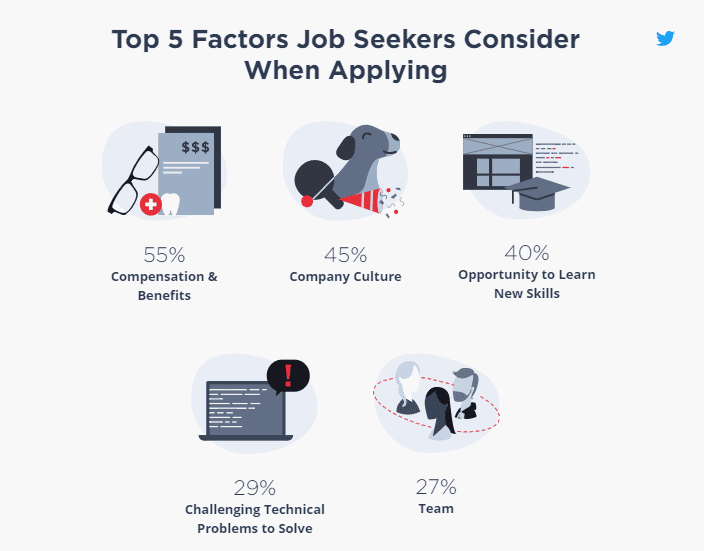
Job seekers also benefit from LMI in powerful ways. Finding a job is not just about sending applications—it’s about targeting the right industries and building the right skills.
Here’s how LMI helps individuals:
Career Planning – LMI shows which jobs are growing, helping people choose stable and rewarding careers.
Skill Development – By knowing what employers want, job seekers can focus on learning the right skills.
Better Job Matches – LMI helps candidates apply for roles that match their abilities, increasing success rates.
Salary Insights – It provides information about average pay in different sectors, so job seekers can negotiate better.
Location Choices – Some industries thrive in specific regions. LMI guides people on where to look for opportunities.
For example, someone interested in healthcare may find that demand for nurses and care workers is rising across many countries. With that knowledge, they can invest in training and increase their chances of long-term employment.
Why Businesses Need Job Market Insights
Companies can use LMI in several practical ways:
Develop hiring strategies – Instead of reacting to shortages, businesses can predict future needs.
Adjust salaries and benefits – LMI provides data on wage trends, helping companies stay competitive.
Identify new markets – Workforce data can reveal regions where talent is available at lower costs.
Plan training programs – Companies can upskill current staff instead of relying only on new hires.
On the other hand, by analysing data from job boards, government reports, and industry research, businesses gain valuable insights into workforce dynamics.
How Job Seekers Can Use Labour Market Intelligence
For job seekers, using LMI is about making smarter choices at every step of their career journey.
Research before applying – Look at job growth rates in your field. If opportunities are shrinking, it may be time to pivot.
Build the right skills – Focus on in-demand technical and soft skills highlighted by labour market reports.
Target the right locations – Some cities or countries may offer better prospects in specific industries.
Stay future-ready – Follow industry reports to keep up with changes in technology and job requirements.
For instance, if you discover that renewable energy jobs are rising, you could pursue training in solar installation or wind energy management.
Sources of Labour Market Intelligence
Among the trustworthy sources of LMI are government labour departments.
Because, these resources offer current reports, data, and projections that are useful for decision-making by both individuals and companies.
The Future of Labour Market Intelligence
LMI will get even more precise and comprehensive as technology develops. Real-time analysis of job postings, salaries, and skill trends is now possible thanks to artificial intelligence and big data tools. Decisions will therefore be made more quickly and intelligently.
For firms, this translates to less risk and improved planning. It gives job seekers access to training opportunities and more defined career paths.
Conclusion
Labour Market Intelligence is more than just numbers—it is a guide that helps businesses and job seekers make smarter choices. In a world where industries evolve quickly, relying on LMI ensures you stay prepared and competitive.
For businesses, it improves recruitment, planning, and staff development.
For job seekers, it guides career choices, skill-building, and job applications.
Hence, by using Labour Market Intelligence wisely, both employers and employees can thrive in the modern job market.
FAQs
Q: What is LMI, or labour market intelligence?
Ans: Information regarding jobs, skills, and employment trends that aids in decision-making for both employers and job seekers is known as labour market intelligence.
Q: Why does LMI matter to companies?
Ans: It helps companies prepare for hiring, stay abreast of market developments, and comprehend the availability of talent.
Q: How can LMI assist those looking for work?
Ans: LMI helps job seekers locate better employment possibilities, gain in-demand skills, and choose occupations.
Q: Where can I locate trustworthy LMI data?
Ans: Government papers, industry surveys, employment boards, and research groups are some places to find it.
Q: Can small firms use LMI as well?
Ans: To plan hiring, find skill gaps, and maintain market competitiveness, small enterprises can, in fact, employ LMI.
Since technology is advancing so quickly, companies that wish to remain competitive in 2026 will require more than just standard digital tools. Intelligent Software Solutions can help with that. These solutions are made to think, learn, and adapt, in contrast to regular software. They do more than simply process data; they interpret it and provide companies with more intelligent ways to run, interact with clients, and develop.
Consider whether you would rather rely on antiquated systems that only react to commands or sophisticated tools that are able to anticipate your customers’ needs before they are even aware of them. That is intelligent software’s true magic. It’s about enhancing human effort rather than replacing it, enabling companies to reach unprecedented levels of productivity, scalability, and profitability.
In 2026, every competitive business will rely on some form of intelligent software to cut costs, improve productivity, and gain deeper insights into customer behaviour. From artificial intelligence (AI) to machine learning (ML), natural language processing (NLP), and predictive analytics, intelligent software is no longer a futuristic idea—it’s a business necessity.
What Are Intelligent Software Solutions?
The term “intelligent software” basically describes programs that use artificial intelligence (AI), machine learning, and big data analytics to make decisions without constant human involvement. These systems offer real-time insights, self-learn from past results, and adjust to changing conditions.
An intelligent CRM system, for instance, does more than simply keep track of client information. In order to increase sales, it examines past purchasing trends, forecasts future purchasing patterns, and even suggests tailored offers. Similar to this, an intelligent supply chain management system can anticipate increases in demand, plan the best routes for deliveries, and stop shortages before they occur.
Simply put, intelligent software is software that gives businesses a competitive edge by improving itself over time rather than merely following instructions.
Why Businesses Need Intelligent Software in 2026
2026 will see a fiercely competitive, data-driven, and customer-focused global business environment. Businesses run the risk of falling behind if they don’t implement intelligent software solutions. Now let’s examine some of the reasons why businesses cannot afford to overlook these technologies:
Data Overload: Companies have too much data. Intelligent software assists in separating valuable insights from noise.
Customer Expectations: Customers want experiences that are seamless, quick, and personalised.
Cost optimisation: By eliminating the need for tedious manual labour, automation lowers operating costs.
Agility: Businesses can react to changes in the market more quickly thanks to intelligent software.
Competitive Edge: Businesses using AI and predictive analytics are able to make better business decisions than those using more conventional methods.
By 2026, companies that fail to embrace intelligent software will not only lose market share but also struggle to survive in a landscape where agility and adaptability are non-negotiable.
The Role of AI in Business Transformation
Artificial Intelligence has moved from being a buzzword to becoming one of the most powerful forces shaping businesses today. Across industries, companies are discovering that AI isn’t just about futuristic robots or high-tech experiments—it’s about making everyday operations smarter, faster, and more efficient. When combined with Intelligent Software Solutions, AI becomes the backbone of transformation, giving organisations the tools to adapt quickly in a competitive market.
Intelligent Software Solutions Powered by AI
AI’s capacity to learn and advance over time is what gives it such a profound impact. Conventional software merely executes commands; it doesn’t do anything else. However, Intelligent Software Solutions acts in a different way. They absorb vast volumes of data, look for trends, and then provide recommendations or solutions that genuinely boost company performance.
Consider the retail industry. An AI-driven system can make precise predictions by analysing historical sales, customer preferences, and even social media trends, rather than a manager speculating about what products might sell well the following season. The outcome? Stores increase profits, cut waste, and stock the right products. That is AI’s usefulness in action.
Changing the Way Businesses Operate
Three main areas where AI is changing businesses:
Daily Efficiency: A lot of monotonous jobs that used to take hours can now be completed automatically. AI saves time and minimises errors in everything from inventory management to invoice generation.
Making Confident Decisions – Company executives are no longer limited to following their instincts. AI-powered intelligent software solutions give managers access to real-time data insights, enabling them to make evidence-based decisions.
Improved Experiences for Customers – Consumers now demand personalised service in addition to good service. AI enables companies to comprehend customer preferences and customise interactions, whether through intelligent chatbots that provide real-time support or customised marketing campaigns.
Top 10 Intelligent Software Solutions for Businesses in 2026
Now that we understand the importance of intelligent software, let’s explore the top 10 Intelligent Software Solutions revolutionising businesses in 2026.
1. AI-Powered Customer Relationship Management (CRM) Systems
CRMs have been the standard tool for a long time, since customer connections are the lifeblood of any organisation.But by 2026, CRMs are more intelligent than ever. These AI-powered technologies actively anticipate and improve client engagement rather than merely recording customer data.
Enhancing Customer Engagement
Email, social media, phone conversations, and even in-store encounters are just a few of the channels that an AI-powered CRM can track client touchpoints across. Businesses may create individualised communications that connect with clients by analysing this data. Consider a CRM that identifies a high-value lead before your rival does, or that recommends the ideal time to contact a client. That is the application of intelligence.
Predictive Analytics in CRM
By predicting future customer behaviors, predictive analytics goes beyond CRMs. For example, if a customer has repeatedly shown interest in eco-friendly products, the system can recommend sustainable product lines before the customer even searches for them. This not only boosts sales but also builds loyalty by making customers feel understood.
By 2026, AI-powered CRMs will not just be tools—they’re business partners, ensuring companies stay one step ahead in customer engagement.
2. Intelligent Enterprise Resource Planning (ERP) Systems
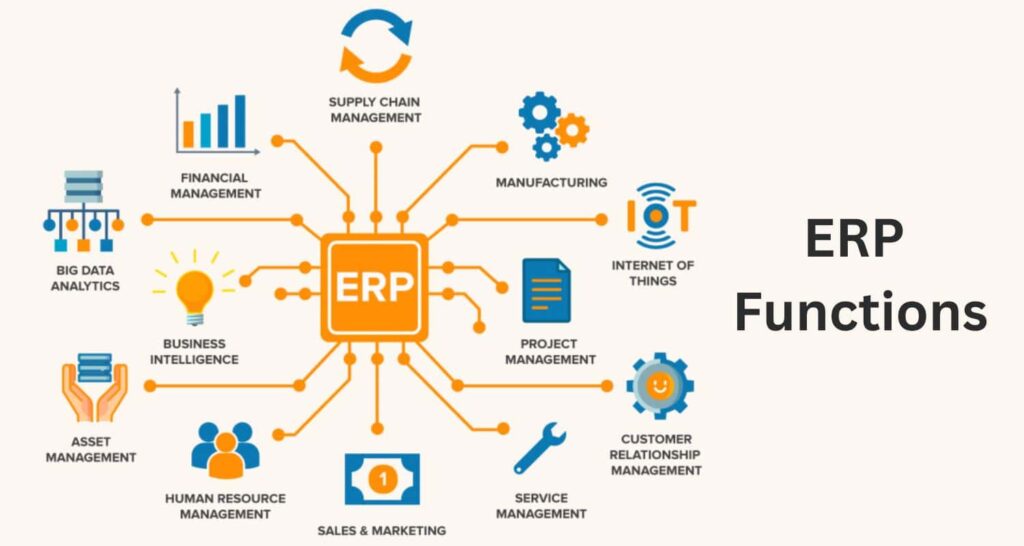
ERP systems, which manage everything from supply chain management to finance, are the foundation of corporate operations. Intelligent ERP technologies are revolutionising business operations in 2026.
Automation of Operations
Significant manual input was needed for traditional ERP systems. On the other hand, intelligent ERPs automate tasks like order tracking, payroll, and invoicing using AI and machine learning. Employees can now focus on higher-value work as human error has been eliminated.
Real-Time Data Insights
Real-time departmental analytics are another feature of intelligent ERP systems. Within a single system, a supply chain management can check stock levels, and a CFO can rapidly obtain financial statistics. Businesses become more competitive and nimble as a result of these insights, which facilitate quicker and more intelligent decision-making.
Businesses in 2026 will have unmatched operational efficiency and flexibility because of intelligent ERP.
3. Smart Human Resource Management Software
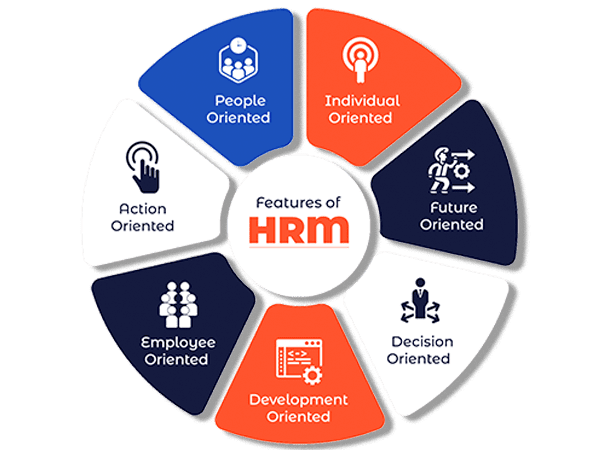
The challenge of managing human resources is not simple. HR departments frequently balance a number of duties, from hiring to employee engagement. Intelligent HR software is revolutionising the industry in 2026.
AI Recruitment Tools
Finding the right talent is one of the most significant business challenges. AI is used by intelligent HR software to analyse resumes, match applicants with job descriptions, and even run chatbot-based initial interviews. This guarantees the best fit and expedites the hiring process.
Employee Performance Tracking
In addition to hiring, smart HR solutions use data to track worker performance. They are able to estimate staff attrition, provide training, and spot skill gaps. Businesses may increase worker satisfaction and retain top talent by tackling problems early.
Intelligent HR systems are now strategic tools that help companies create more resilient and driven workforces. They are no longer merely administrative tools.
4. Advanced Cybersecurity Software
Cyber dangers change in tandem with organizations’ increasing digitalization. Intelligent cybersecurity solutions will be crucial in 2026 to protect private information and maintain consumer confidence.
AI-Driven Threat Detection
Intelligent cybersecurity solutions employ artificial intelligence (AI) to identify anomalous patterns in real time, in contrast to conventional antivirus software. They can prevent expensive breaches by identifying potential attacks before they escalate.
Proactive Data Protection
These are not just defence-related answers. By keeping an eye on vulnerabilities and automatically patching them, they proactively secure systems. AI makes sure that security is constantly one step ahead, so businesses don’t have to wait for IT people to respond.
Investing in cutting-edge cybersecurity is required of businesses in 2026.
5. Intelligent Supply Chain Management Software
The foundation of product-based firms is their supply chains. The production, storage, and delivery of commodities will be completely transformed by intelligent supply chain software by 2026.
Demand Forecasting
Demand is incredibly accurately predicted by AI-driven forecasting technologies. For example, retailers can prevent shortages and lost sales opportunities by stocking up before the busiest shopping seasons.
Real-Time Inventory Tracking
Additionally, intelligent software guarantees real-time stock level visibility, which lowers waste and overstocking. In order to prevent delays and guarantee on-time delivery, it can even autonomously redirect shipments.
Intelligent supply chain management is a game-changer for companies in a world where competitiveness is determined by efficiency.
6. AI-Powered Marketing Automation Tools
Nowadays, marketing focuses on getting the right message to the right person at the right moment rather than trying to reach as many people as possible. In 2026, personalisation reaches a whole new level thanks to AI-driven marketing automation.
Artificial intelligence (AI) systems can monitor consumer interactions on websites, emails, and social media and then suggest tailored advertising. Additionally, they determine which platforms work best for each group, guaranteeing that marketing expenditures are maximised. For example, software will automatically distribute resources if it determines that Millennials prefer email marketing and Gen Z responds better to TikTok commercials.
The actual kicker? These tools are always learning. Their ability to estimate which messages will convert improves with the number of campaigns they execute. Every marketing team wants to minimise guesswork and optimise return on investment.
7. Intelligent Collaboration and Productivity Software
With the increasing prevalence of remote and hybrid work patterns, companies require technologies that facilitate smooth collaboration. Here comes software for intelligent collaboration. These solutions, in contrast to conventional project management software, use AI to assign jobs according to employee skills, optimise workflows, and even identify possible bottlenecks before they occur.
Imagine this: Across five time zones, you are in charge of a multinational staff. The platform follows project progress with predictive insights, interprets discussions in real time, and automatically recommends the ideal meeting times in place of manually organising calendars. Businesses guarantee that teams stay engaged, productive, and in line with corporate objectives by removing communication silos.
8. Smart Data Analytics Platforms
Often referred to as the “new oil,” data is nothing more than noise if the proper instruments aren’t used. By 2026, companies will be able to derive valuable insights from large datasets with the use of sophisticated data analytics tools.
These platforms find patterns, trends, and anomalies in addition to producing charts. For instance, a retail business can use analytics to find that, in some areas, sales decline every Thursday. Revenue is then increased by the software’s recommendations for that day’s targeted marketing.
More significantly, statistics powered by AI are predictive. They let companies know what’s likely to happen next, such as a change in the market, supply constraints, or consumer attrition. This enables leaders to take action before issues even occur.
9. AI-Powered Financial Management Systems
Managing finances is complex, but in 2026, intelligent financial software is reshaping how companies handle money. From accounting to budgeting, AI-powered tools automate repetitive tasks and ensure accuracy.
One major advantage is fraud detection. Intelligent financial systems analyze spending behavior and instantly flag suspicious activities. This real-time monitoring reduces risks and protects company assets.
Additionally, these platforms provide predictive cash flow analysis. Imagine knowing months in advance when your business might face liquidity issues—giving you ample time to adjust. For CFOs and finance teams, intelligent software is like having a crystal ball for financial planning.
10. Intelligent Customer Support Chatbots
Last but not least, chatbots driven by AI are revolutionising customer service. These are not the annoying, generic-answering bots of the past. By 2026, chatbots will be able to comprehend natural language, draw lessons from previous exchanges, and respond with precise, human-like responses.
Intelligent chatbots take care of everything, including problem-solving, refund processing, and product upselling. Because they are open around the clock, clients never have to wait in line. Additionally, the chatbot effortlessly passes a case to a human agent when a query is too complicated, including all pertinent information, saving the user from having to repeat themselves.
For companies, this translates into more satisfied clients, lower support expenses, and more productivity. Intelligent customer service is the new norm, not simply a fad.
Choosing the Right Intelligent Software Solutions
With so many intelligent tools available, the challenge isn’t whether to adopt them—it’s choosing the right ones.
Factors to Consider Before Investing
Business Goals: Align software with your core objectives—whether that’s customer retention, cost reduction, or global expansion.
Ease of Integration: Look for platforms that integrate smoothly with your existing systems.
User-Friendly Interface: Complex tools won’t add value if employees struggle to use them.
Vendor Support: Ensure providers offer ongoing training and reliable customer support.
Security Features: With increasing cyber threats, prioritize solutions with strong data protection.
Customisation and Scalability
Generally applicable software is rarely effective. By 2026, intelligent solutions will be highly customizable and able to adjust to the specific demands of the sector. For example, an e-commerce company needs logistics-optimised solutions, whereas a hospital organisation might need HIPAA-compliant technology.
Scalability holds equal significance. Software should grow with enterprises. Without compromising performance, intelligent platforms grow with ease to handle more datasets, more users, and intricate workflows.
The Future of Intelligent Software Beyond 2026
If we have learned anything over the last ten years, it is that technology is always evolving. Intelligent software solutions will already be widely accepted as essential for businesses by 2026, but what will happen next? Businesses with an eye on the future are already getting ready for technologies that will further change industries.
Emerging Trends in Business AI
Hyper-Personalisation: By examining everything from browsing patterns to biometric information, AI will produce incredibly customised consumer experiences. Finance, healthcare, and shopping will all feel more individualised than ever.
Voice and Conversational AI: With their natural and human-like interactions, voice-enabled technologies will take over marketing, customer service, and even teamwork.
AI-Powered Sustainability – Intelligent software will help companies track and reduce carbon footprints, optimise energy consumption, and adopt greener supply chains.
Augmented Intelligence – Instead of replacing human decision-making, AI will enhance it. Businesses will use hybrid systems where humans and machines collaborate seamlessly.
Quantum Computing Integration – With quantum breakthroughs, intelligent software will solve problems that today’s systems can’t touch—such as complex logistics or real-time financial simulations.
These trends show that the role of intelligent software will continue to evolve, making businesses not just efficient but also smarter, more ethical, and more sustainable.
The Evolution of Automation and Machine Learning
Machine learning and automation will become even more sophisticated after 2026. Current AI learns from data, but the future will bring self-learning AI that adapts without massive datasets. For example, an intelligent ERP could optimize supply chains based on just a few interactions, or an HR system could predict employee turnover with minimal historical data.
Automation, too, will expand beyond repetitive tasks. We’ll see cognitive automation—where systems make judgment calls similar to humans. Imagine software that not only approves an expense report but also questions if it aligns with company values and budget priorities.
Businesses that embrace this evolution will gain a significant competitive advantage, staying agile in a world where customer preferences and market conditions shift overnight.
Conclusion
By 2026, intelligent software solutions are the cornerstone of corporate success rather than merely an improvement. Intelligent cybersecurity solutions that stop assaults before they happen and AI-powered CRMs that anticipate client needs are just two examples of how these breakthroughs are changing how businesses function, compete, and expand.
Businesses that use, modify, and expand these smart tools will be the ones in the future. Whether you are operating a large organisation or a startup, using intelligent software will enable long-term sustainability, efficiency, and insight.
Simply put, companies that embrace these solutions will lead the market in innovation and consumer happiness, while those that don’t run the risk of falling behind.
FAQs
Q: Which sectors stand to gain the most from clever software?
Ans: Nearly every industry gains, but the most notable advancements are seen in the manufacturing, healthcare, retail, finance, and logistics sectors. In these industries, intelligent software improves consumer experiences, reduces expenses, and streamlines operations.
Q: How is ROI enhanced by clever software solutions?
Ans: Intelligent software immediately increases efficiency by automating repetitive operations, offering predictive insights, and customizing client experiences. Increased revenues, lower costs, and more productivity all result in a substantial return on investment.
Q:Is it safe to use intelligent software solutions?
Ans: Yes, the majority of contemporary intelligent solutions are constructed with cutting-edge security features like encryption, real-time monitoring, and AI-driven threat detection. Businesses still need to use these tools in conjunction with robust cybersecurity procedures, though.
Q: Is it possible for small enterprises to successfully implement these solutions?
Ans: Definitely. Scalable intelligent software that expands to meet corporate needs is offered by numerous companies. Advanced AI tools are now available and affordable for startups and small enterprises, especially thanks to cloud-based solutions.
Q: What role will intelligent software play in business in the future?
Ans: AI-powered sustainability, cognitive automation, and hyper-personalisation are the way of the future. Intelligent software will transform from a support tool into a vital engine of innovation and expansion, being intricately woven into every facet of company operations.
Are you trying to find fun, cost-free games to play that won’t break the bank? You need look no farther than GitHub Games, which is a veritable gold mine of open source game projects made by enthusiastic developers worldwide. GitHub provides a vast array of games that you can play, explore, and even contribute to, regardless of your preference for action-packed adventures, challenging puzzles, or vintage classics. We’ve carefully selected the best selection of entertaining and cost-free GitHub games in this post, making it ideal for both novice players and budding developers.
Top GitHub Games with Active Communities and Regular Updates
The robust and vibrant communities that support many GitHub Games are among its best features. In addition to being open source and free, these games also get frequent updates from global developers and contributors. This entitles you to new features, bug fixes, and enhancements that maintain the gameplay’s excitement and novelty.
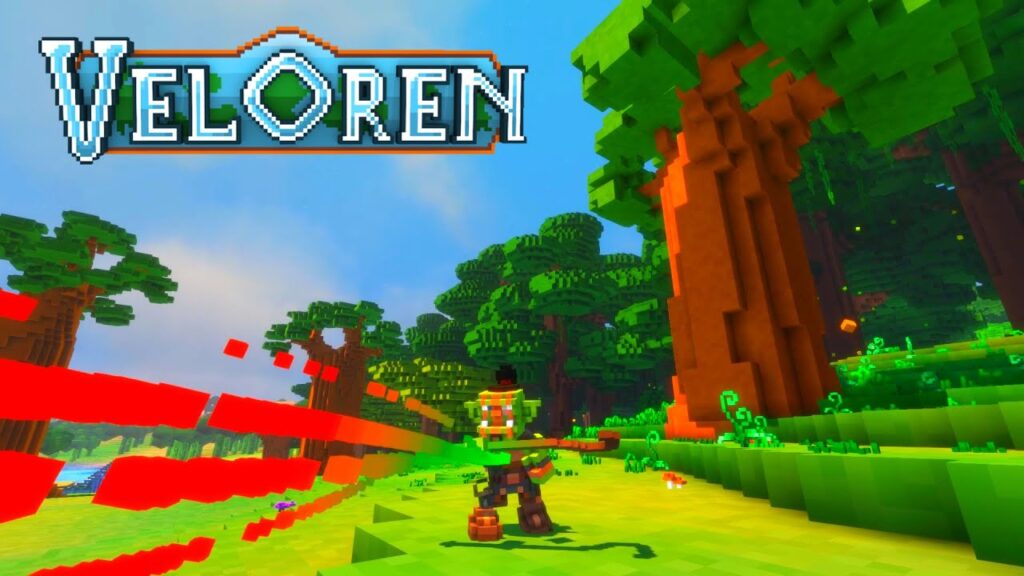
Popular GitHub Games such as Mindustry, Unvanquished, and Veloren are great examples of community-driven projects that are constantly evolving. Joining these communities enables you to report problems, share code and assets, and offer suggestions, regardless of whether you’re a developer or a gamer.
1. 0 A.D. and the Rise of Open Source Real-Time Strategy in GitHub Games
0 A.D. is more than just a game—it’s a full-fledged historical experience. Developed by Wildfire Games, it’s a real-time strategy game that plunges you into ancient warfare with civilisations like the Romans, Greeks, and Persians.
Why It’s Amazing
Stunning Visuals: For an open-source title, 0 A.D. boasts surprisingly high-quality graphics.
Historical Accuracy: Every unit, building, and map is based on real history, with an academic level of detail.
Fully Customizable: The source code is open, which means modders and developers can build new features, tweak gameplay, or even create spin-offs.
Development Status
Still in alpha, yet very playable. Frequent updates and active community development make this game one of the top projects to watch on GitHub.
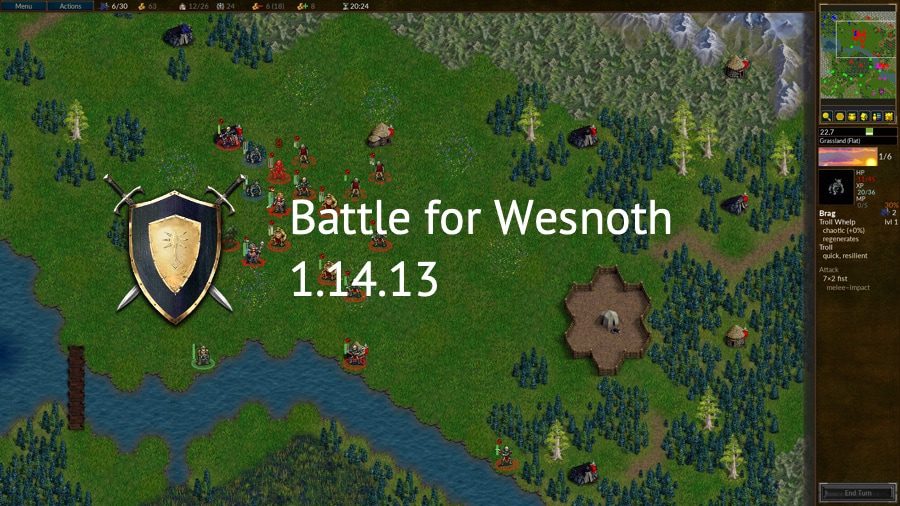
2. Battle for Wesnoth – Turn-Based Strategy at Its Finest
A rich fantasy world full of elves, knights, orcs, and dragons is the setting for the free, open-source turn-based strategy game Battle for Wesnoth. It provides deep tactical gameplay and captivating storytelling in dozens of single-player and multiplayer campaigns.
Why It Is Unique:
Engaging Campaigns: Intriguing Campaigns full of difficult missions and excellently written stories.
Active Modding Community: New units, maps, and scenarios can be made or downloaded by the active modding community.
Cross-Platform: Performs flawlessly on Linux, macOS, Android, and Windows.
Smart AI: Every game presents a new strategic obstacle.
Wesnoth is a must-play for strategy gamers because of its stunning 2D graphics, frequent updates, and endless replay possibilities.
3. Rediscover Transport Tycoon with OpenTTD — A Star in GitHub Games
OpenTTD is a treasure trove for simulation game enthusiasts.
Features of the Game
Complex Logistics Sim: Construct roads, railroads, airports, and shipping lanes in the complex logistics simulation.
Economic Challenges: Address business strategies, supply chains, and competition.
Large Maps: There are maps with thousands of tiles on which to play.
The Reason It’s Great
Enhancements like a better user interface, multiplayer capabilities, and support for custom maps and mods make it more than just a copy. The community maintains it through plugins and updates.
4. Mindustry – A Perfect Example of Innovation in GitHub Games
Mindustry is a creative blend of automation and tower defence, presented in a strangely captivating pixel-art aesthetic.
What You’ll Love
Resource Management: Resources should be extracted, transported, and used to power your defences.
Multiplayer Battles: Team up or go head-to-head with others online.
Cross-Platform Play: Supports desktop and mobile.
Who Should Try It?
If you’re a fan of Factorio or tower defence games, Mindustry will scratch both itches in one. It’s engaging, strategic, and continuously updated by a passionate developer base.
5. Veloren – Open-World RPG Inspired by Cube World
In a voxel-based environment reminiscent of Cube World, Veloren is an eye-catching, open-source role-playing game that combines action, exploration, and crafting. Designed for multiplayer fun and endless adventure, it offers players the chance to roam massive landscapes, dive into dungeons, and battle fierce enemies in a vibrant and living environment.
Top Features
Vast Landscapes: Explore mountains, forests, and dungeons.
Multiplayer-Friendly: Play online with friends or strangers.
Regular Updates: Weekly dev logs and community discussions keep it fresh.
Technical Excellence
Not only is Veloren a beautiful game, but it’s also a testament to modern game development with Rust. The performance is solid, and the world is procedurally generated for infinite replayability.
6. SuperTux – The Penguin Star of Classic GitHub Games
Do you love the old-school charm of Super Mario Bros? Then you’ll enjoy SuperTux, a side-scrolling 2D platformer featuring Tux, the Linux penguin mascot, on a quest to rescue his kidnapped friend Penny.
Why It’s a Must-Play
Nostalgic Gameplay: With its icy stages and oddball foes, it feels like vintage Mario.
Level Editor: Create your levels or play thousands of community-made maps.
Kid-Friendly: Simple mechanics make it suitable for players of all ages.
Perfect for Casual Gaming
SuperTux might not reinvent the platformer genre, but it’s a wholesome, fun experience perfect for quick sessions. Whether you’re 8 or 80, this is one game that brings a smile.
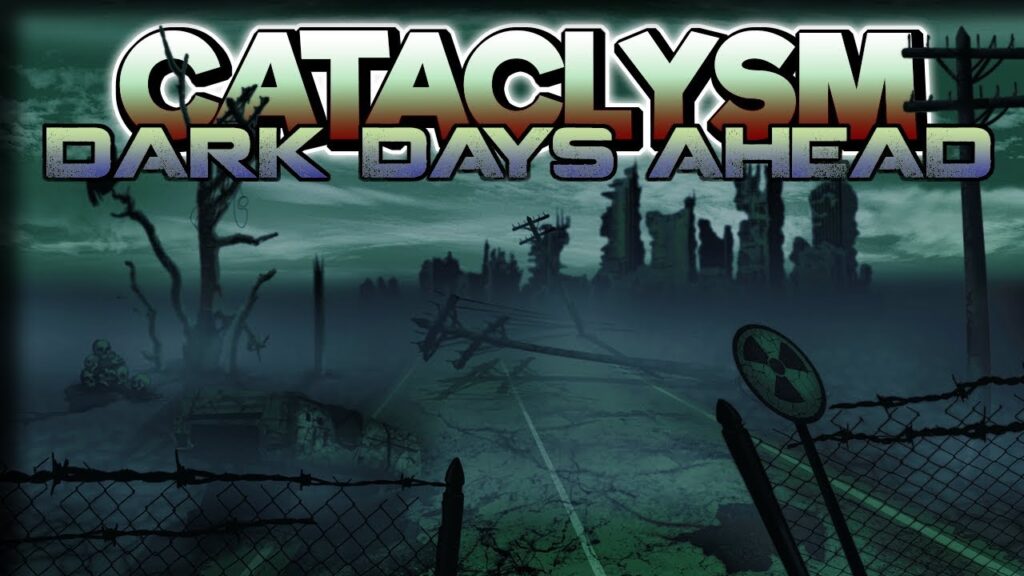
7. Cataclysm: Apocalypse Survival: Dark Days Ahead
You will be blown away by Cataclysm: Dark Days Ahead (CDDA) if you enjoy survival games. You are thrust into a world overrun by hostile factions, mutants, and zombies in this rogue-like survival role-playing game.
Key Features
Text-Based Interface: Don’t be fooled by the retro aesthetics; it’s deep.
Immense Crafting System: Create weapons, shelter, food, and even vehicles with the Immense Crafting System.
Procedurally Generated World: The world is procedurally generated, meaning that each playthrough is distinct and unpredictable.
What Makes It Special
CDDA is incredibly immersive in contrast to other zombie games. It mimics everything from pain and temperature to mental health and car mechanics. It’s an experience rather than merely a game.
8. Endless Sky: Combat Adventure and Space Trading in the World of GitHub Games
If you’ve ever dreamed of becoming a space trader or pirate, Endless Sky gives you that freedom. It blends storyline, fighting, and trading in an open world, drawing inspiration from the iconic game Escape Velocity.
Main Attractions
Open-Ended Gameplay: Be a merchant, mercenary, or rebel—it’s your story.
Fleet Management: Buy, upgrade, and manage a fleet of ships.
Community Mods: Expands gameplay through user-created content.
A Hidden Gem
Endless Sky doesn’t have the budget of AAA space sims, but its gameplay loop is incredibly addictive. Explore systems, take on missions, or fight pirates in an ever-expanding universe.
9. Unciv – A Reimagining of Civilisation V in the World of GitHub Games
Love Civilisation games, but don’t have the latest hardware? Unciv is the open-source alternative that brings the depth of Civ V into a lightweight, mobile-friendly format.
What You’ll Like
Full Civilisation Experience: Includes tech trees, diplomacy, city building, and more.
Fast and Lightweight: Runs smoothly even on low-end Android devices or older PCs.
Mod Support: Customise your civilisations, maps, and game rules.
Great for Strategy Fans
If you’ve sunk hours into Civ and want a similar experience on the go or for free, Unciv is your best bet. Despite the simple graphics, the depth and polish are impressive.
FPS fans, this one’s for you. Red Eclipse is a fast-paced, multiplayer arena shooter in the spirit of Quake and Unreal Tournament, but with a modern twist.
Why You’ll Be Hooked
Parkour Movement: Wall-running, dashing, and sliding add a unique flow.
Community Servers: Easily join unique game modes and maps.
Low Requirements: Looks decent and runs on modest hardware.
For Competitive Gamers
If you’re itching for a classic-style shooter with active multiplayer, Red Eclipse delivers. It’s polished, has great movement mechanics, and is completely free.
Before you dive headfirst into these amazing open-source games, it’s good to weigh the benefits and challenges they bring. While they offer countless advantages, there are also a few limitations you should be aware of.
Pros
Free to Play: No money is needed. All of these games are available to everyone and are free.
Customizable: You can modify gameplay, address bugs, or develop completely new game mechanics if you have access to the source code.
Learning Opportunities: Great for prospective devs who want to look at real game code.
Support from the Community: Open-source games frequently have vibrant communities, which translates into frequent updates, bug patches, and modding possibilities.
Cross-Platform Compatibility: The majority of open-source games are compatible with Windows, Linux, and macOS.
Cons
Limited Resources: Many of these projects are developed by volunteers, so updates may be infrequent or inconsistent.
Graphics and UI: Some titles may not match the visual polish of big-budget games.
Learning Curve: Certain games, like CDDA, can be complex and may take time to understand.
Less Marketing: You won’t hear about these games unless you seek them out—most lack exposure.
Hardware Compatibility: While lightweight overall, a few open-source games may need workarounds to run smoothly on every device.
Conclusion
Open-source GitHub games are more than just hidden gems—they’re creative marvels that give you entertainment, learning opportunities, and community engagement, all rolled into one. Whether you’re a developer looking to get hands-on experience, a gamer hunting for fresh adventures, or just someone curious about game development, these titles deliver exceptional value.
From real-time strategy epics like From 0 A.D. to the survival horrors of Cataclysm: DDA to the pixel-powered ingenuity of Mindustry, the range is remarkable. Even better, these projects thrive on collaboration, so you can not only play but also contribute to the evolution of the game itself.
So next time you’re looking for your next favourite game, skip the expensive titles and head over to GitHub. You might just find a masterpiece waiting to be discovered.
FAQs
Q: Is it safe to download and play games that are open-source on GitHub?
Ans: If you’re downloading from the official GitHub repositories, then the answer is yes. To be safe, always read the community discussions and documentation.
Q: Is it possible for someone who isn’t a programmer to contribute to these games?
Ans: Definitely! Artists, writers, translators, and testers are needed for many open-source projects. Everyone has a role to play.
Q: Do open-source games get updates regularly?
Ans: It varies. Weekly updates are sent to some, like Mindustry and Veloren, while less frequent updates may be given to others depending on community activity.
Q: Will these games work on my computer or mobile device?
Ans: The majority of open-source games have minimal system requirements and are cross-platform. Make sure to review their GitHub pages’ installation instructions.
Q: Can I use the code from these games to build my own?
Ans: The answer is yes, depending on the licensing. Many make use of permissive licenses, such as MIT or GPL, which let you alter, fork, and even publish your version as long as you give due credit to the original authors.